Evergreen explainer · Editorial content, not official government information
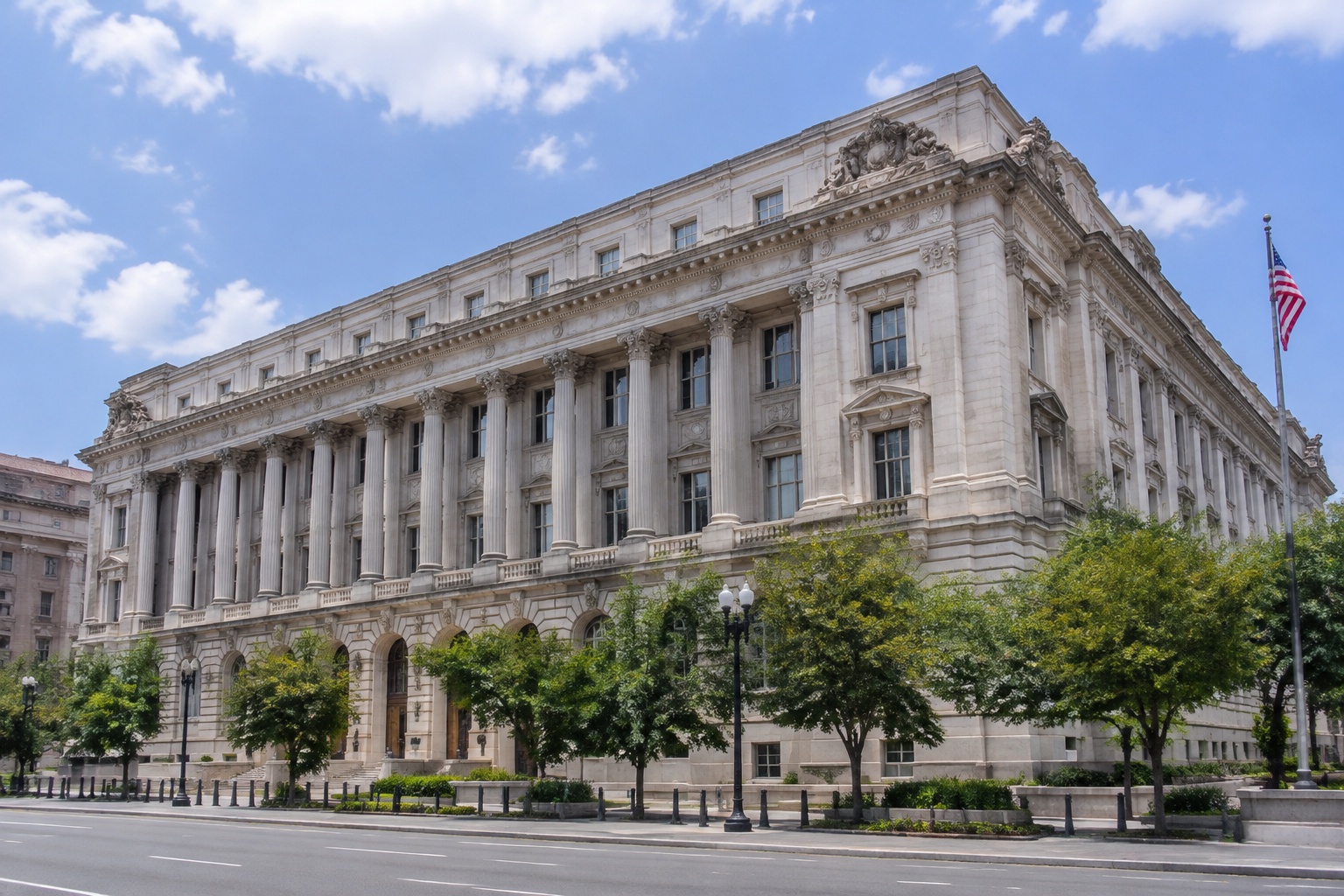
The District of Columbia is not a state. The Constitution's District Clause gives Congress exclusive legislative authority over the federal seat of government. Since the Home Rule Act of 1973, District residents have elected a Mayor and a thirteen-member Council, which meet at the John A. Wilson Building on Pennsylvania Avenue.
Congress retains the power to review and disapprove District legislation, and the District's locally raised budget is enacted through the congressional appropriations process. District residents pay federal taxes and are represented in the House by a non-voting Delegate, with no representation in the Senate.
Statehood supporters argue that the District's roughly 700,000 residents deserve full voting representation in Congress and complete local self-government, and that admission of a new state is within Congress's power. Opponents raise constitutional questions about the District Clause and the 23rd Amendment, argue that a federal district was intended to be independent of any state, and propose alternatives such as retrocession of residential areas to Maryland.
Local beats for a future newsroom include transportation, housing, public safety, schools, and neighborhood development. For official information, consult DC.gov and the Council of the District of Columbia.
Local coverage areas
- Mayor's office
- D.C. Council
- Metro & transportation
- Housing
- Schools
- Neighborhood development