Evergreen explainer · Editorial content, not official government information
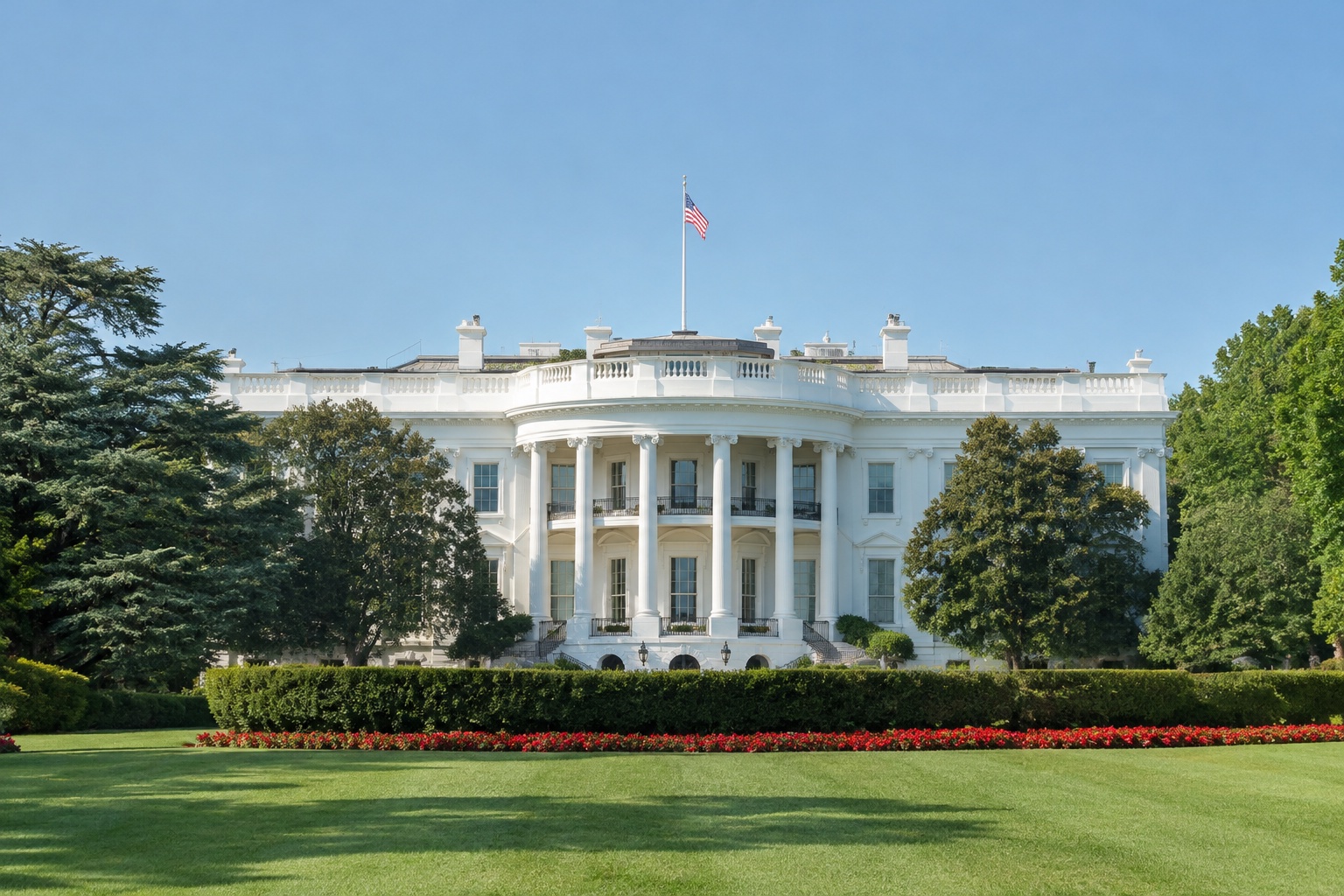
Article II of the Constitution vests executive power in the President, who leads a branch that today includes the Executive Office of the President, fifteen cabinet departments, and dozens of independent agencies. The White House is both the residence of the President and the working center of that apparatus.
Presidential authority is exercised through several distinct instruments. Executive orders direct the operations of the federal government and are published in the Federal Register. Presidential memoranda and proclamations serve related purposes, from ceremonial observances to formal policy directions. Their reach is bounded by statute and the Constitution, and they can be reviewed by the courts or superseded by Congress.
The President also shapes the legislative agenda: proposing a budget each year, signing or vetoing bills passed by Congress, and nominating federal judges, ambassadors, and senior officials who require Senate confirmation.
For any current action, the primary record is the official White House website and the Federal Register. This explainer is evergreen editorial content and does not report on specific current officeholders or developments.
Key instruments
- Executive orders
- Presidential memoranda
- Proclamations
- Budget proposals
- Signing or vetoing legislation
Visiting
- Public tours are requested through a Member of Congress
- Lafayette Square and the Ellipse are public spaces
- The White House Visitor Center sits on Pennsylvania Avenue